Artist · researcher · educator / Łódź, Poland
Textile as a knot of narratives.
Tkanina jako węzeł narracji.
I work with textile as an active structure: a material entanglement of labour, technology, institutions, bodies, politics, memory and use.
Pracuję z tkaniną jako aktywną strukturą: materialnym splotem pracy, technologii, instytucji, ciał, polityki, pamięci i użycia.
My current research explores the textile artwork as a knot of narratives and a potential counter-archive of material, personal and collective experience.
Moje obecne badania dotyczą dzieła tekstylnego jako węzła narracji i potencjalnego kontrarchiwum doświadczeń materialnych, osobistych i wspólnotowych.
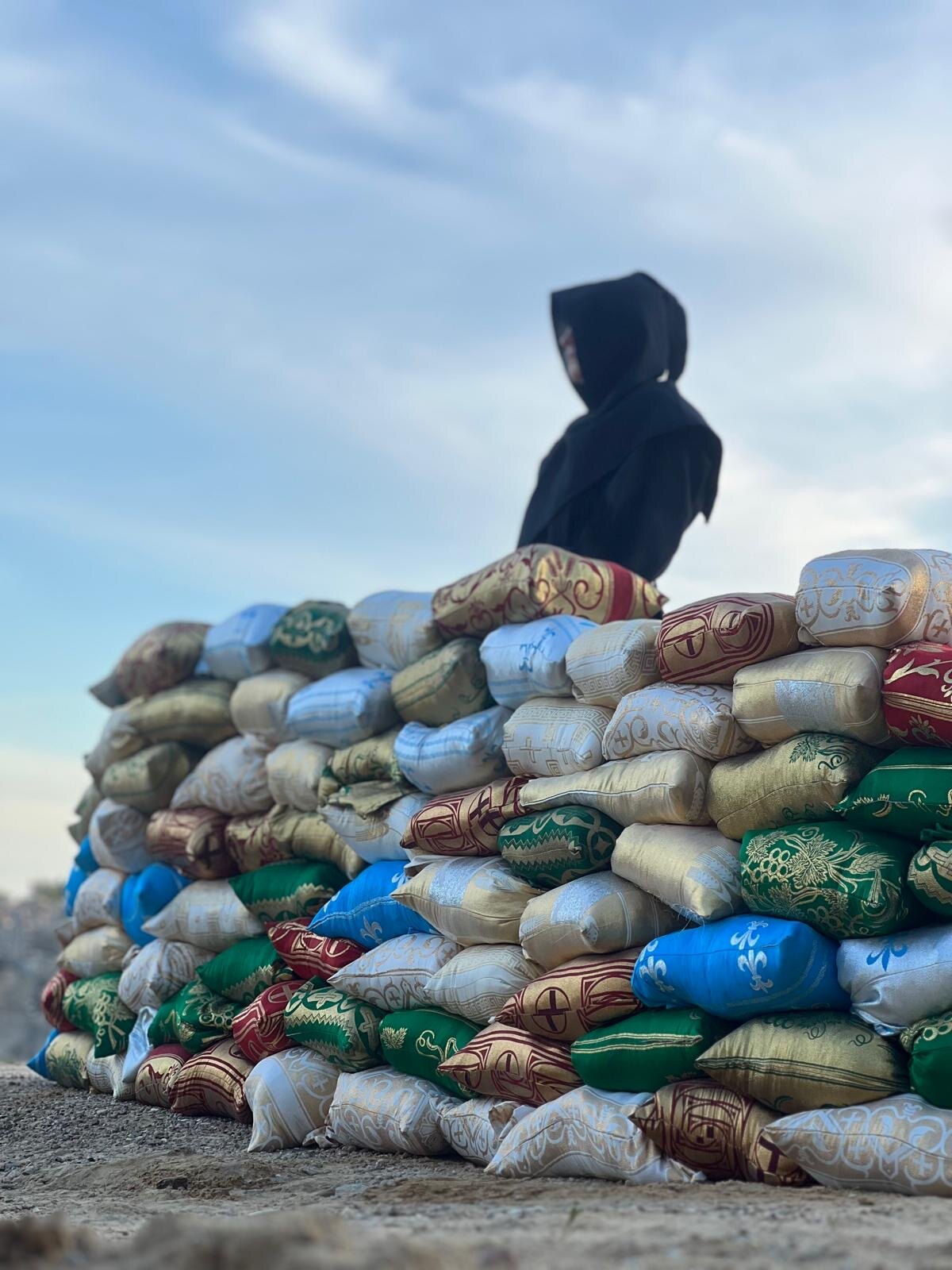
Photo: Anna Milczarek
Current projects · 2026
Bieżące projekty · 2026
Recent work & ongoing research
Najnowsza praca i badania w toku
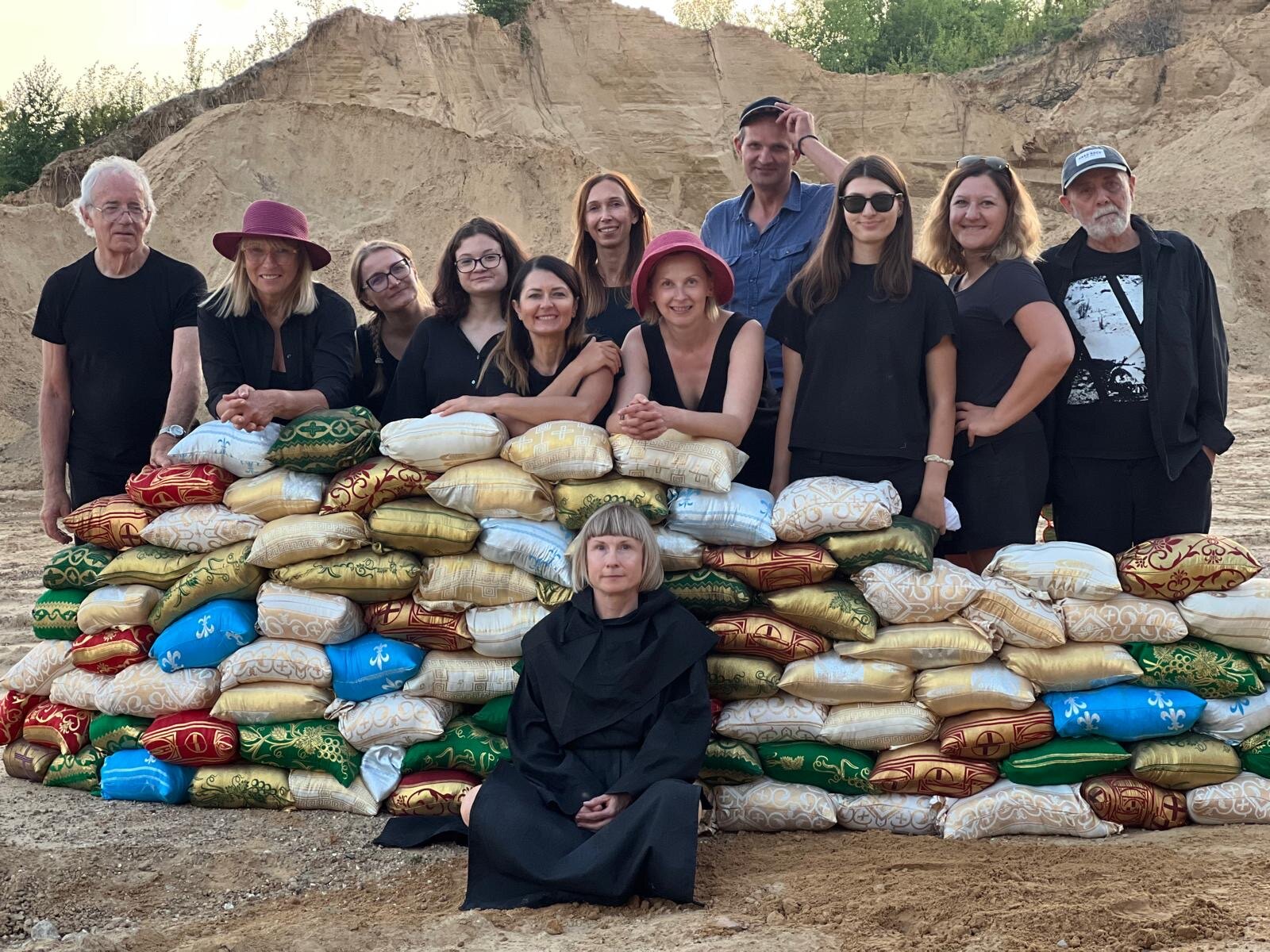 Photo: Anna Milczarek
Contextile 2026 · Guimarães
Fort Commons 122
From sacred surface to collective infrastructure.
Od sakralnej powierzchni do kolektywnej infrastruktury.
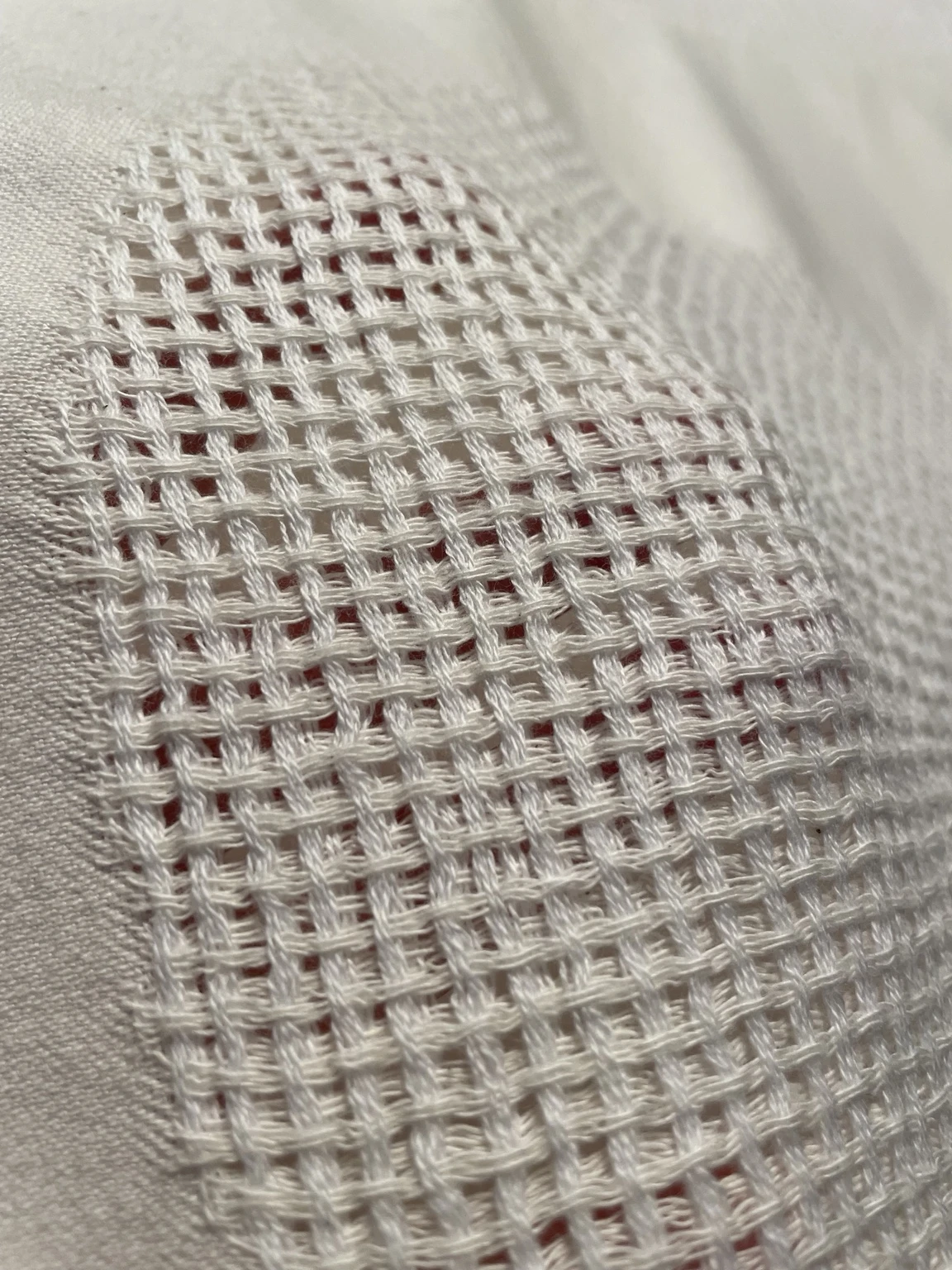
Bed Shelter
Dressing the Great Bed of Ware 2.0
A bed enlarged into architecture: a participatory textile shelter.
Łóżko powiększone do skali architektury: partycypacyjne tekstylne schronienie.
 Zrealizowano w ramach stypendium Ministra Kultury i Dziedzictwa NarodowegoCreated as part of a scholarship awarded by the Minister of Culture and National Heritage of the Republic of Poland.
Explore selected work · 2026–2015Zobacz wybrane prace · 2026–2015 →
Latest exhibition · Kraków · 18.10–06.11.2026
Najnowsza wystawa · Kraków · 18.10–06.11.2026
Anni Albers.
Filozofka nitki.
Galeria Domu Norymberskiego · ul. Skałeczna 2, Kraków
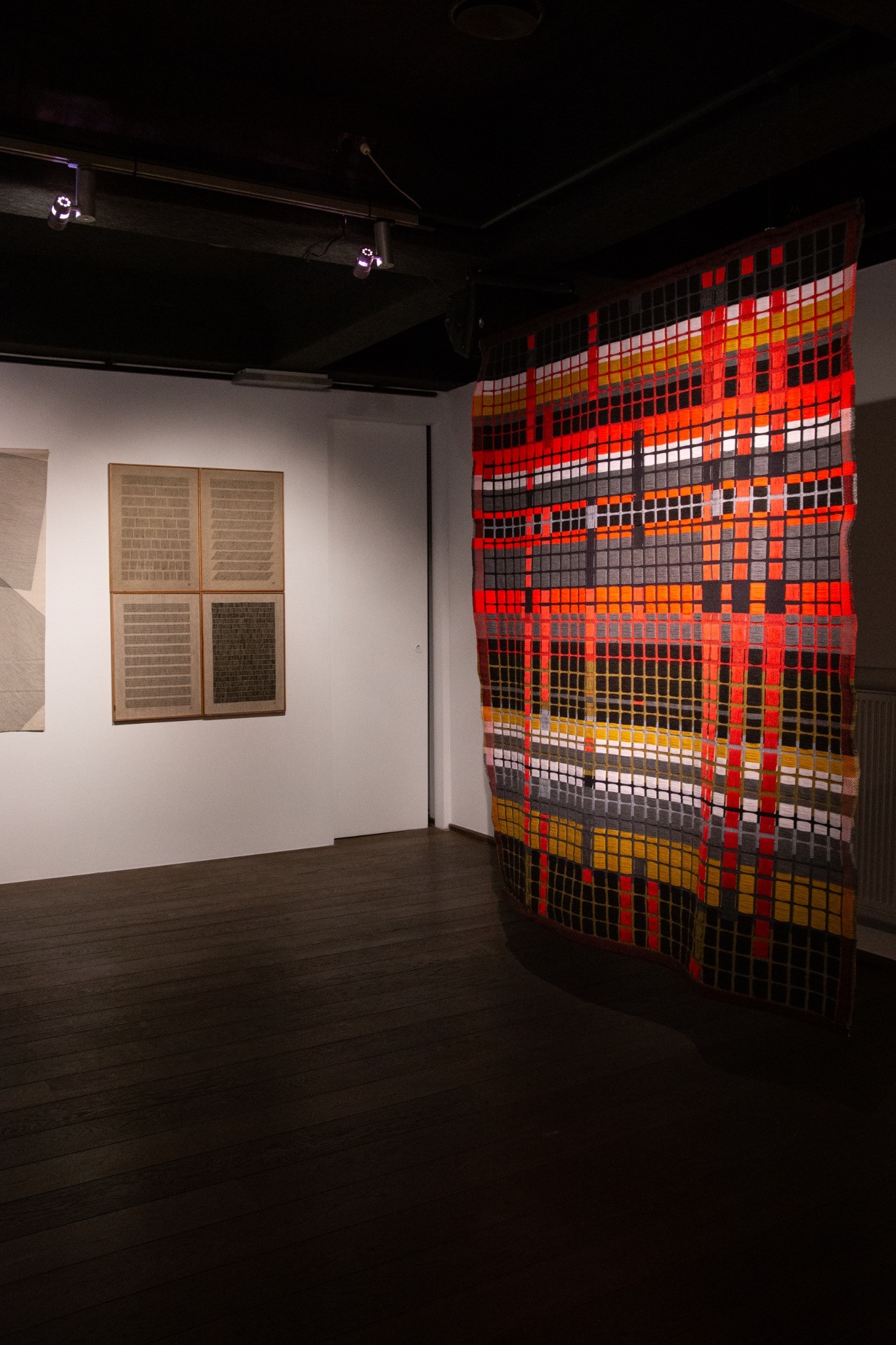
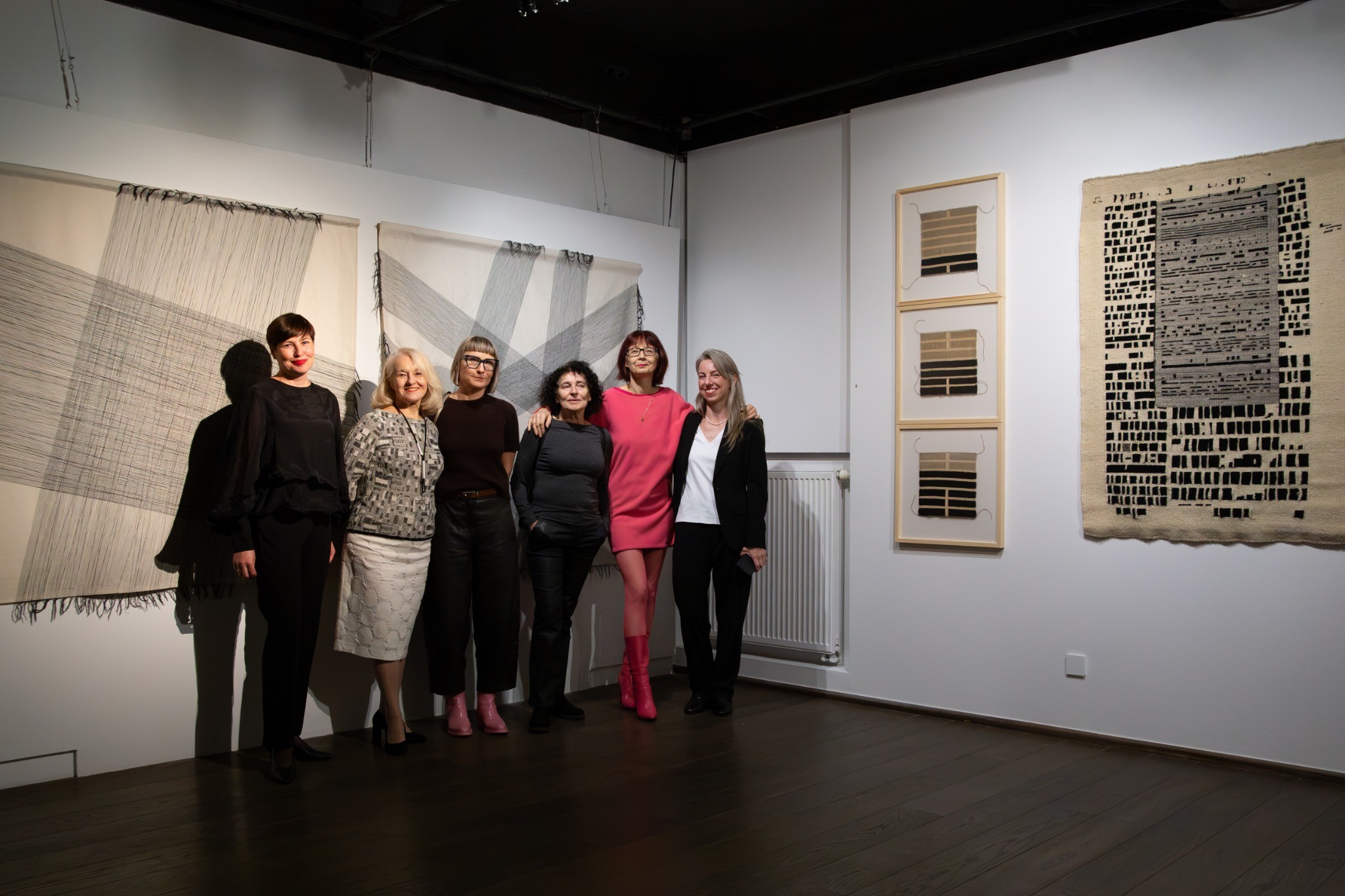
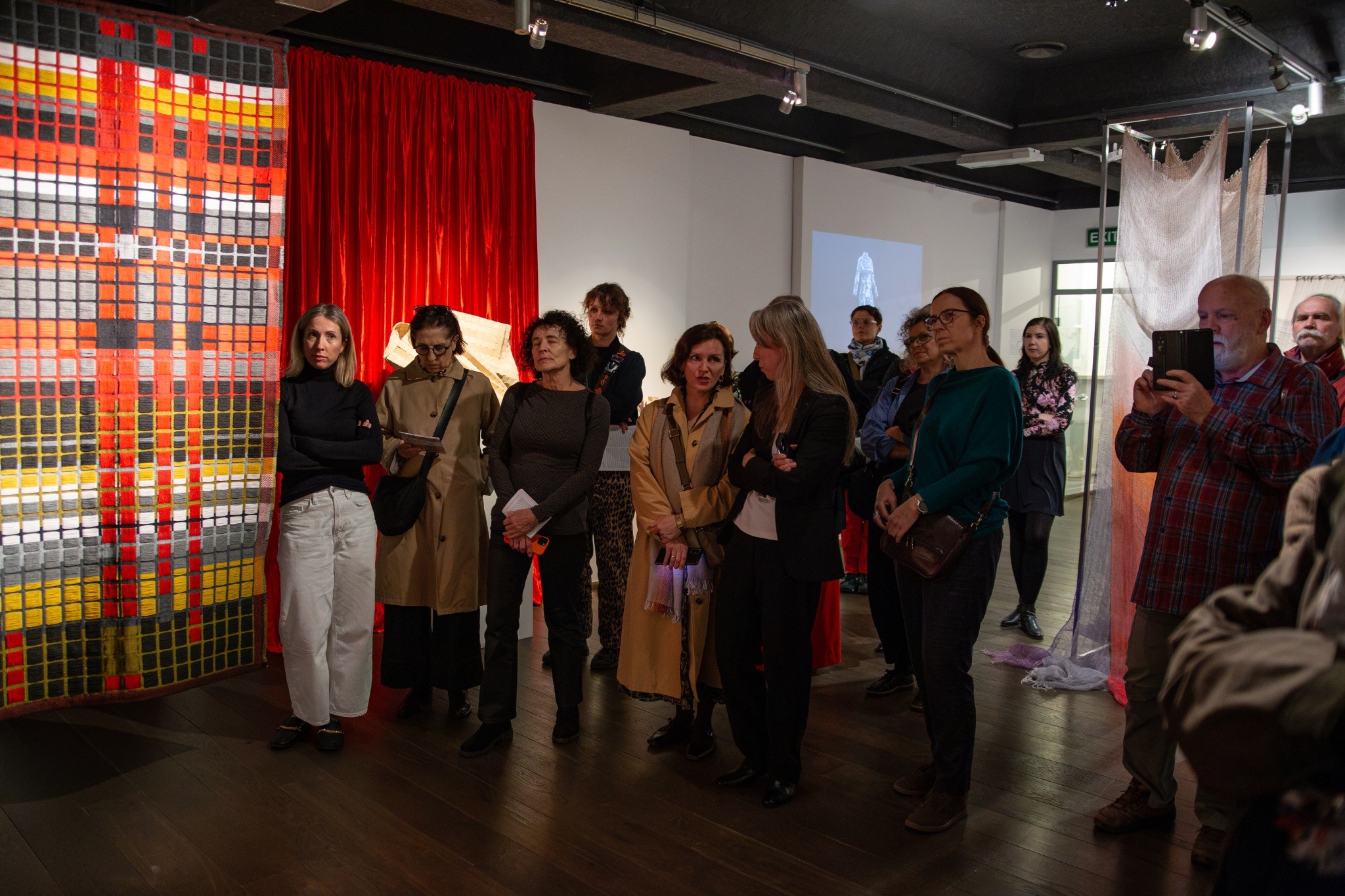
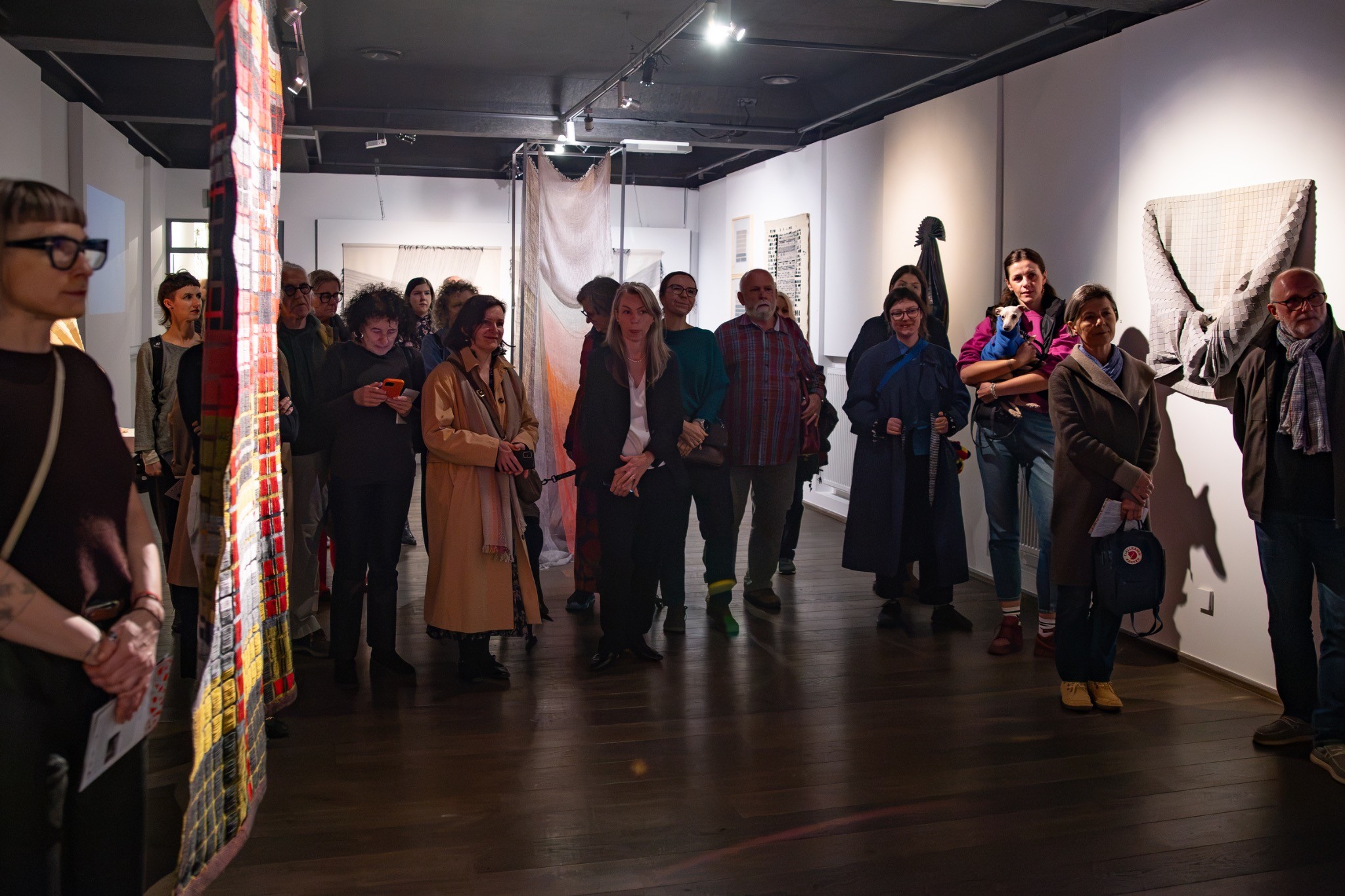
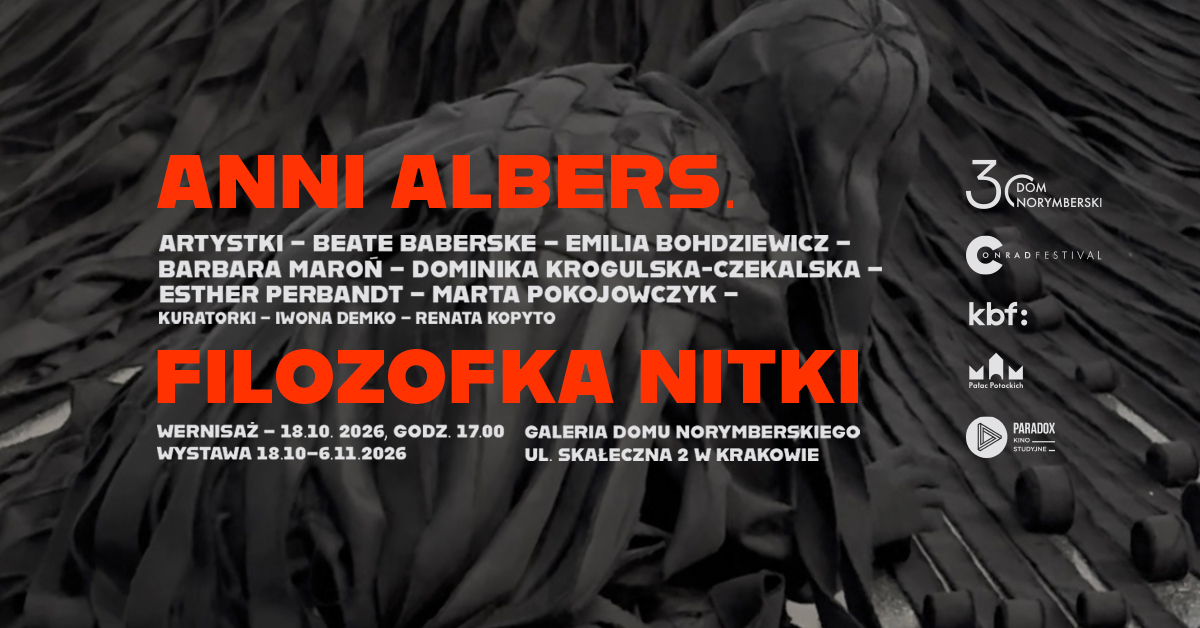
My textile JaZZcquard (2018) is presented in the group exhibition “Anni Albers. Filozofka nitki”, curated by Iwona Demko and Renata Kopyto, as part of the Conrad Festival programme.
Moja tkanina JaZZcquard (2018) jest prezentowana na wystawie zbiorowej „Anni Albers. Filozofka nitki”, której kuratorkami są Iwona Demko i Renata Kopyto. Wystawa odbywa się w ramach Festiwalu Conrada.
In JaZZcquard, the repeat becomes a starting point for improvisation. Colour and radical cuts disrupt the woven rhythm, revealing possibilities held within a precisely planned double-cloth structure.
W JaZZcquard raport staje się punktem wyjścia do improwizacji. Kolor i radykalne cięcia przełamują tkany rytm, ujawniając możliwości zawarte w precyzyjnie zaplanowanej podwójnej strukturze.
Opening photographs · 3 more viewsZdjęcia z wernisażu · 3 kolejne kadry
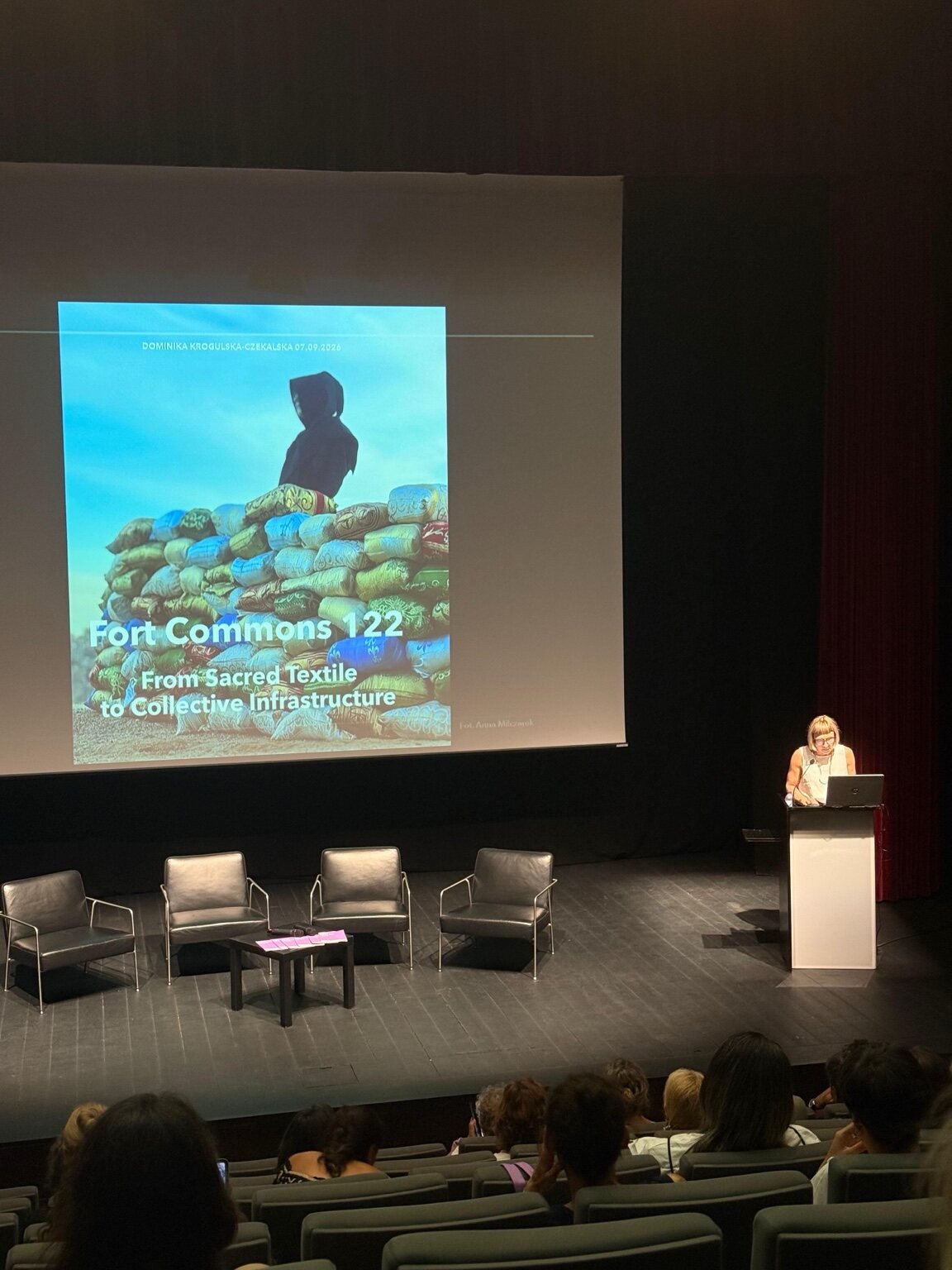
Textile Talks · 07.09.2026 · Contextile
Textile Talks: From Sacred Textile to Collective Infrastructure
Textile Talks: Od sakralnej tkaniny do kolektywnej infrastruktury
In the panel Textile Waste as Art, I used Fort Commons 122 to ask what possibilities remain within a material once a system has decided it no longer has a use for it.
W panelu Textile Waste as Art opowiedziałam o Fort Commons 122, pytając, jakie możliwości pozostają w materiale, gdy system uznał już, że nie ma dla niego zastosowania.
01 / WasteWaste is not only a physical condition. It is a status assigned to material.
01 / OdpadOdpad nie jest wyłącznie fizycznym stanem. Jest statusem przypisanym materiałowi.
02 / TransformationSurface became structure. Decoration became infrastructure.
02 / PrzemianaPowierzchnia stała się strukturą. Dekoracja stała się infrastrukturą.
03 / CommonsThe commons became visible as a practice — through weight, repetition and many pairs of hands.
03 / CommonsCommons stało się widoczne jako praktyka — poprzez ciężar, powtórzenie i pracę wielu par rąk.
Participation in Contextile 2026, including the Textile Talks presentation, was made possible thanks to the support of the Adam Mickiewicz Institute through the NetWorks programme.
Udział w Contextile 2026, w tym prezentacja podczas Textile Talks, był możliwy dzięki wsparciu Instytutu Adama Mickiewicza w ramach programu NetWorks.
Exhibitions · talks · encounters
Timeline
Upcoming and recent exhibitions, jury work, talks and acquisitions.
Nadchodzące i ostatnie wystawy, praca w jury, wystąpienia i zakupy do kolekcji.
Upcoming · Jury
Nadchodzące · Jury
BIEN 2027 · Traces of Grace
Textile Art Biennial · Slovenia
I am a member of the selection jury for BIEN 2027, alongside Almina Duraković Korošec and Lovro Ivančić.
Jestem członkinią jury wybierającego prace na BIEN 2027, obok Alminy Duraković Korošec i Lovra Ivančicia.
Artists, designers and researchers are invited to respond to the theme Traces of Grace. Application deadline: 21 December 2026, midnight CET.
Artystki i artyści, projektantki i projektanci oraz osoby prowadzące badania mogą zgłaszać prace odnoszące się do tematu Traces of Grace. Termin zgłoszeń: 21 grudnia 2026, do północy CET.
Open call · details and applicationNabór · informacje i zgłoszenia ↗
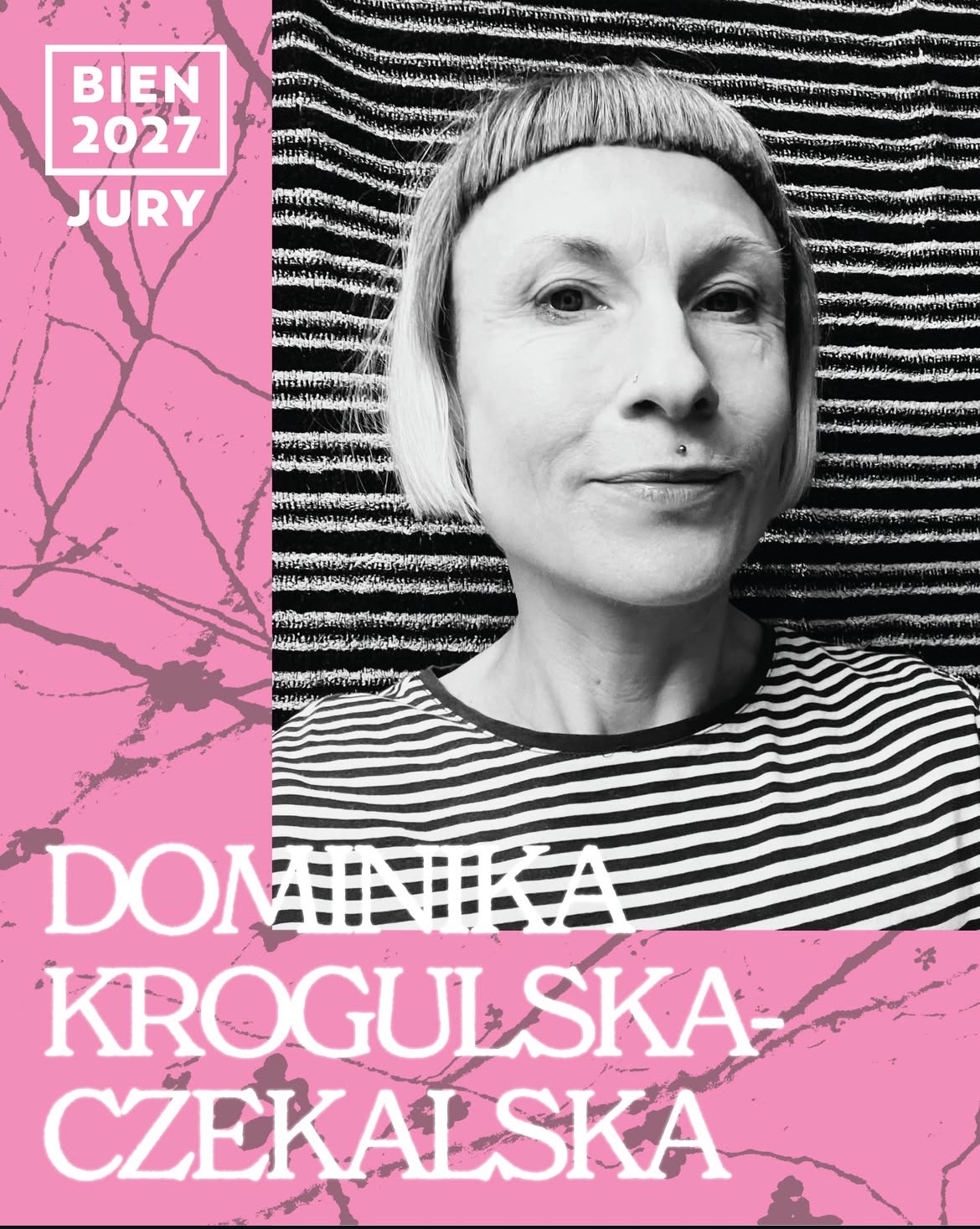
BIEN 2027 · Promotional material / Instagram: BIEN Open call slides · 2 more imagesSlajdy naboru · 2 kolejne grafiki
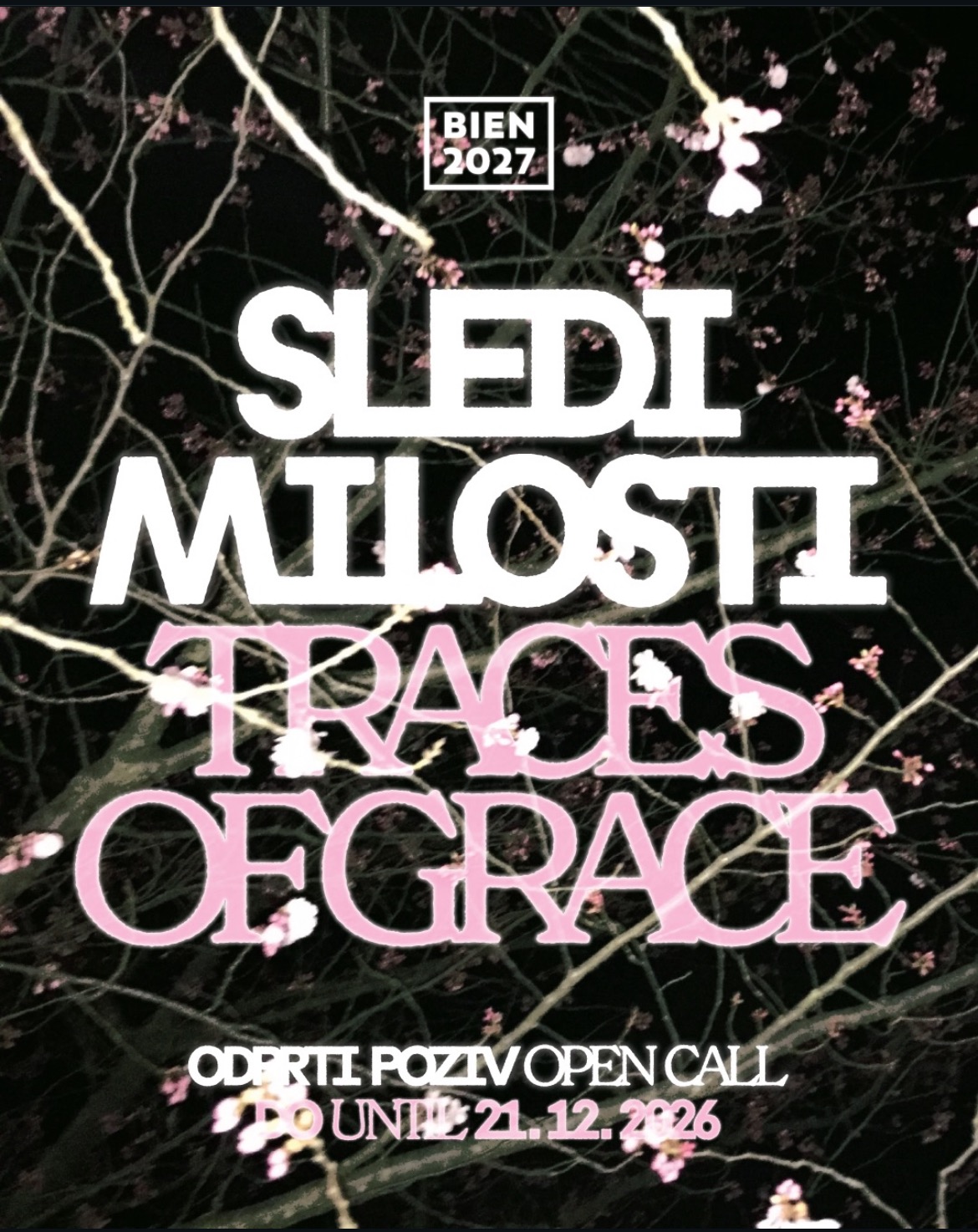
BIEN 2027 · Promotional material / Instagram: BIEN 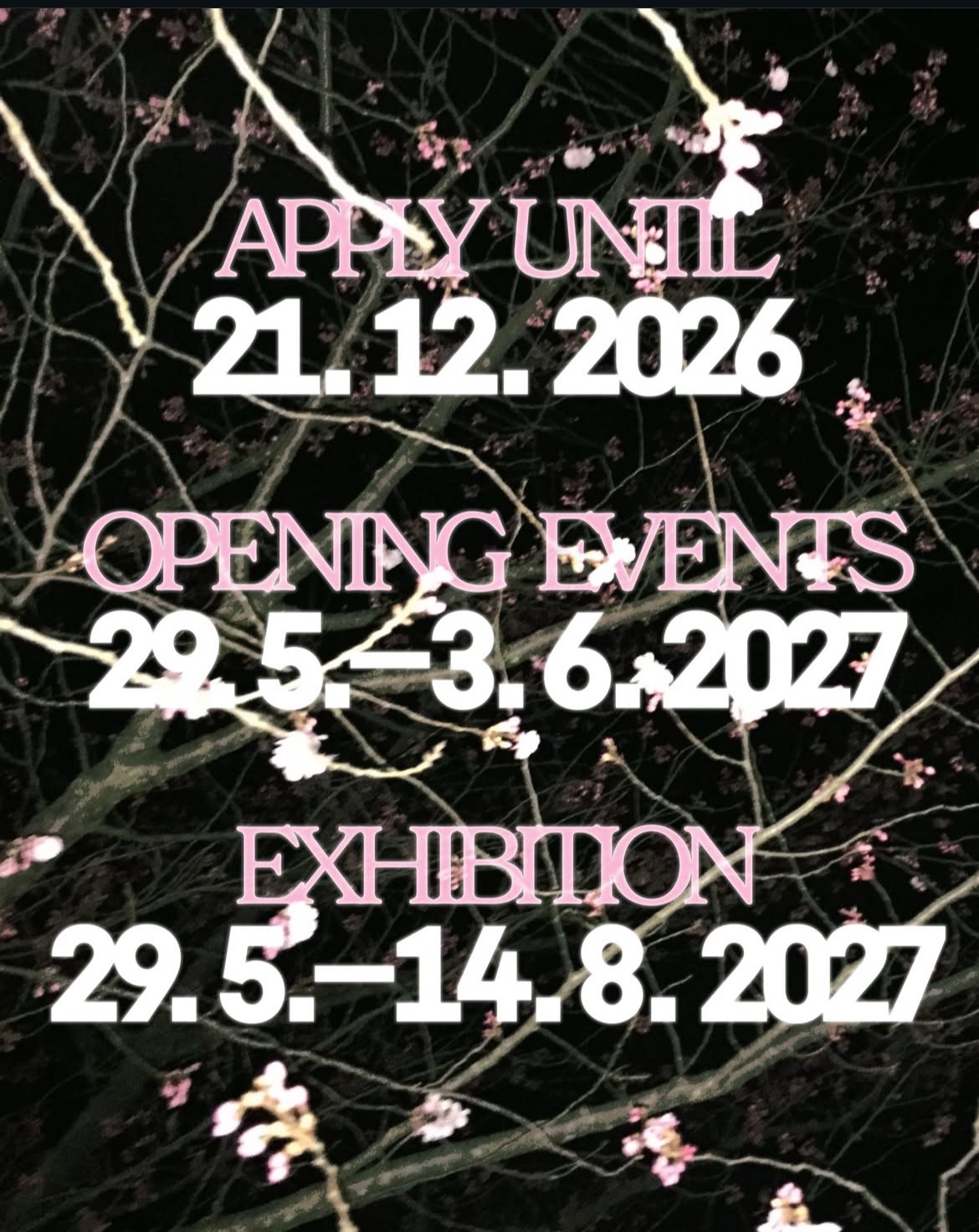
BIEN 2027 · Promotional material / Instagram: BIEN Anni Albers. Filozofka nitki
Dom Norymberski · Kraków
JaZZcquard in the group exhibition curated by Iwona Demko and Renata Kopyto.
JaZZcquard na wystawie zbiorowej pod kuratelą Iwony Demko i Renaty Kopyto.
Textile Talks · Contextile 2026
Guimarães · Portugal
Fort Commons 122 presented at Contextile 2026; an accompanying talk in the panel Textile Waste as Art.
Prezentacja Fort Commons 122 na Contextile 2026 oraz wystąpienie w panelu Textile Waste as Art.
Hummus Day · Fuzja
Festiwal Łódź Wielu Kultur · Łódź
Presentation of All Because of Love and Colors That Refuse to Hide — Barwy Jawne. Osobiste jest polityczne.
Prezentacja prac All Because of Love oraz Colors That Refuse to Hide — Barwy Jawne. Osobiste jest polityczne.
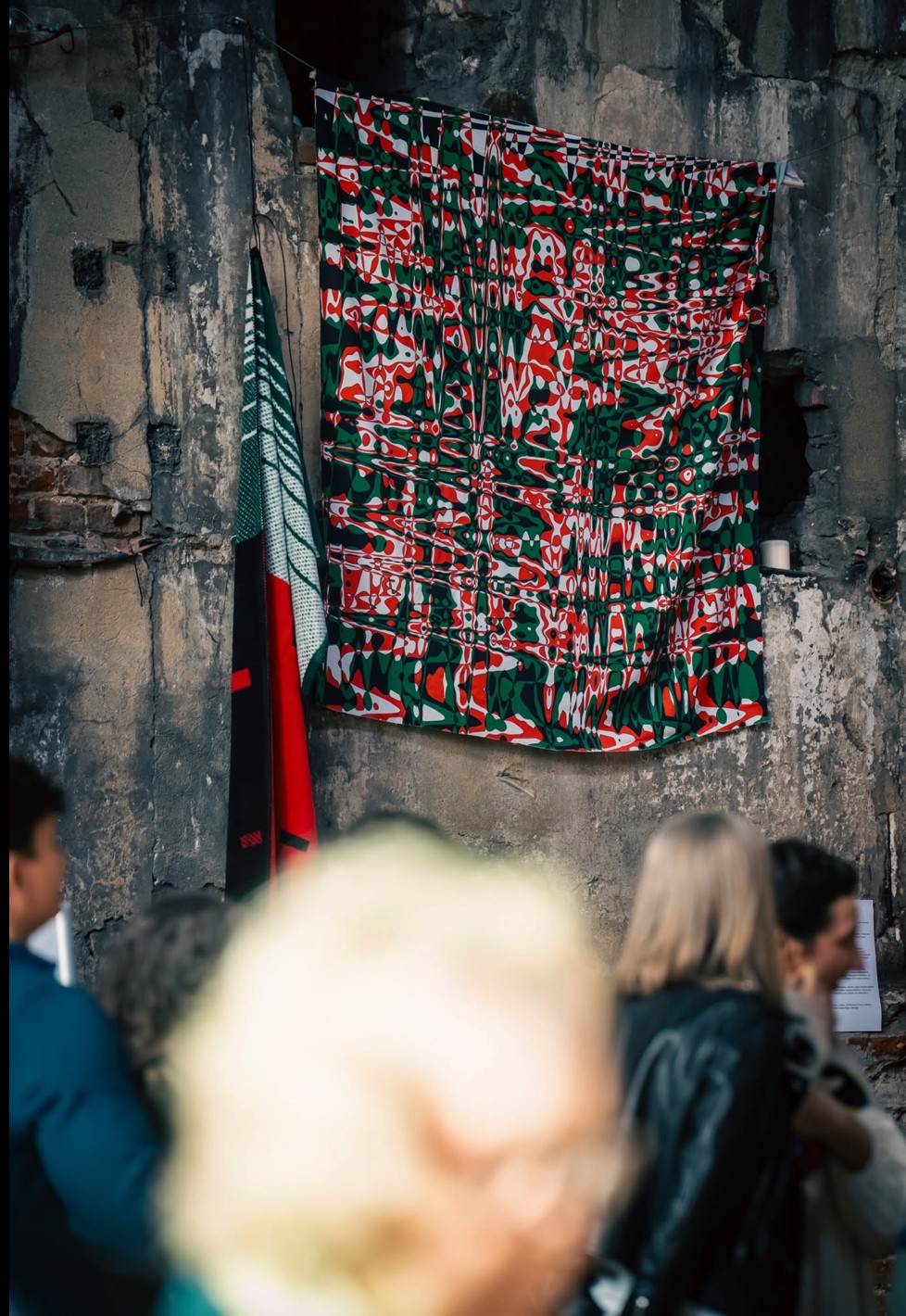
Hummus Day · Fuzja · 2026 · Photo: HaWa View event gallery · 3 more photographsGaleria wydarzenia · 3 kolejne zdjęcia
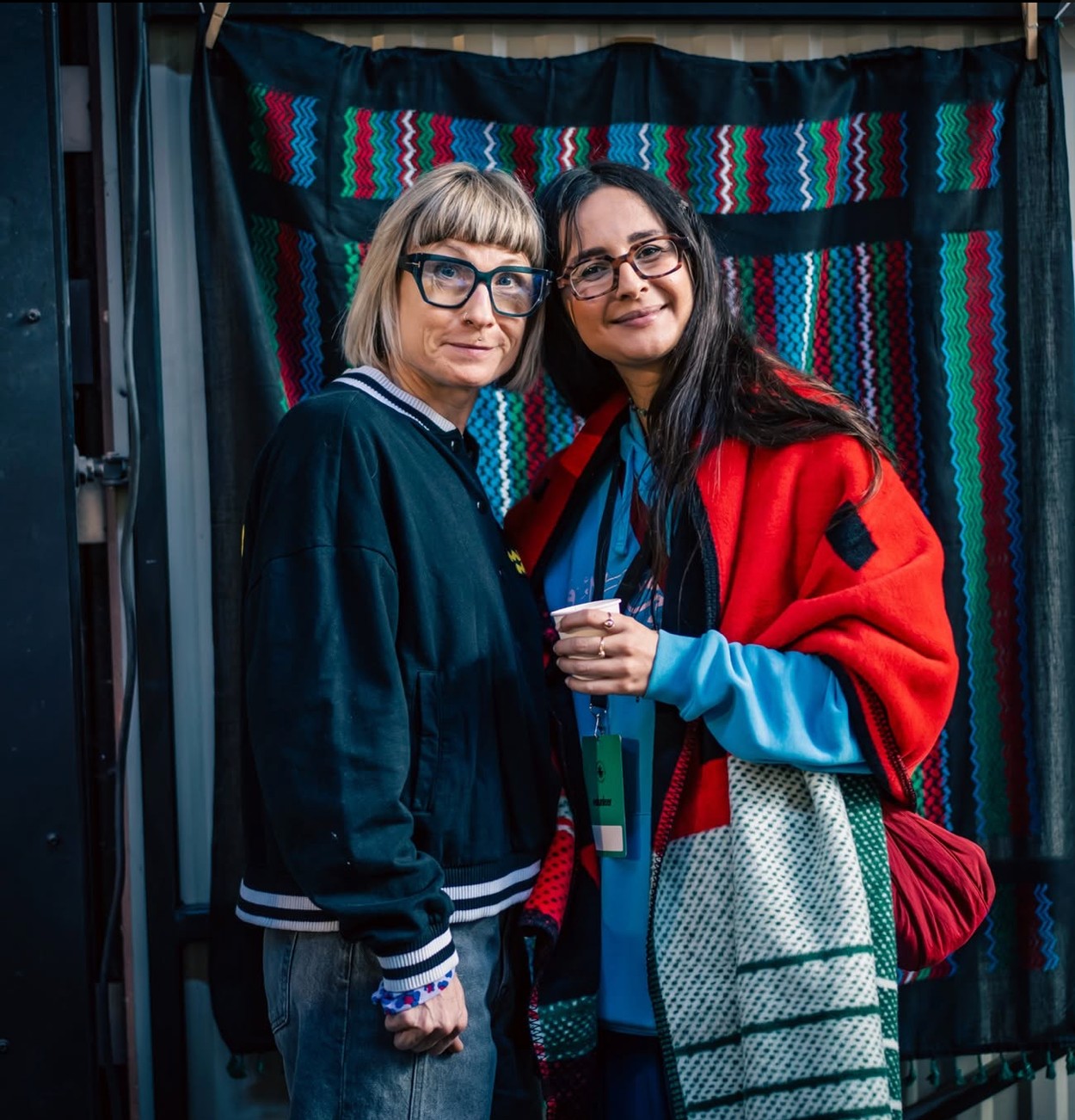
Hummus Day · Fuzja · Festiwal Łódź Wielu Kultur · 2026 · Photo: HaWa 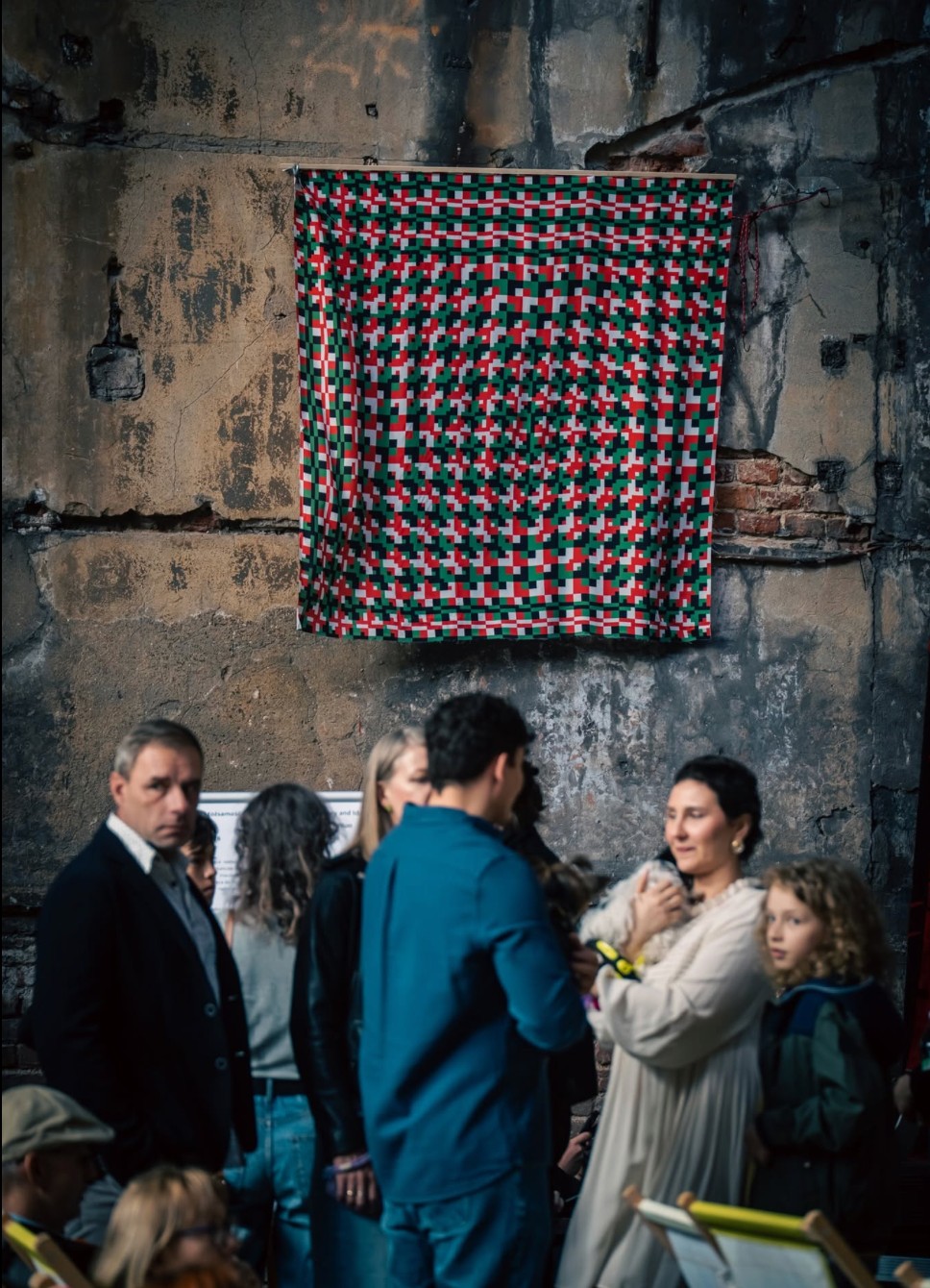
Hummus Day · Fuzja · Festiwal Łódź Wielu Kultur · 2026 · Photo: HaWa 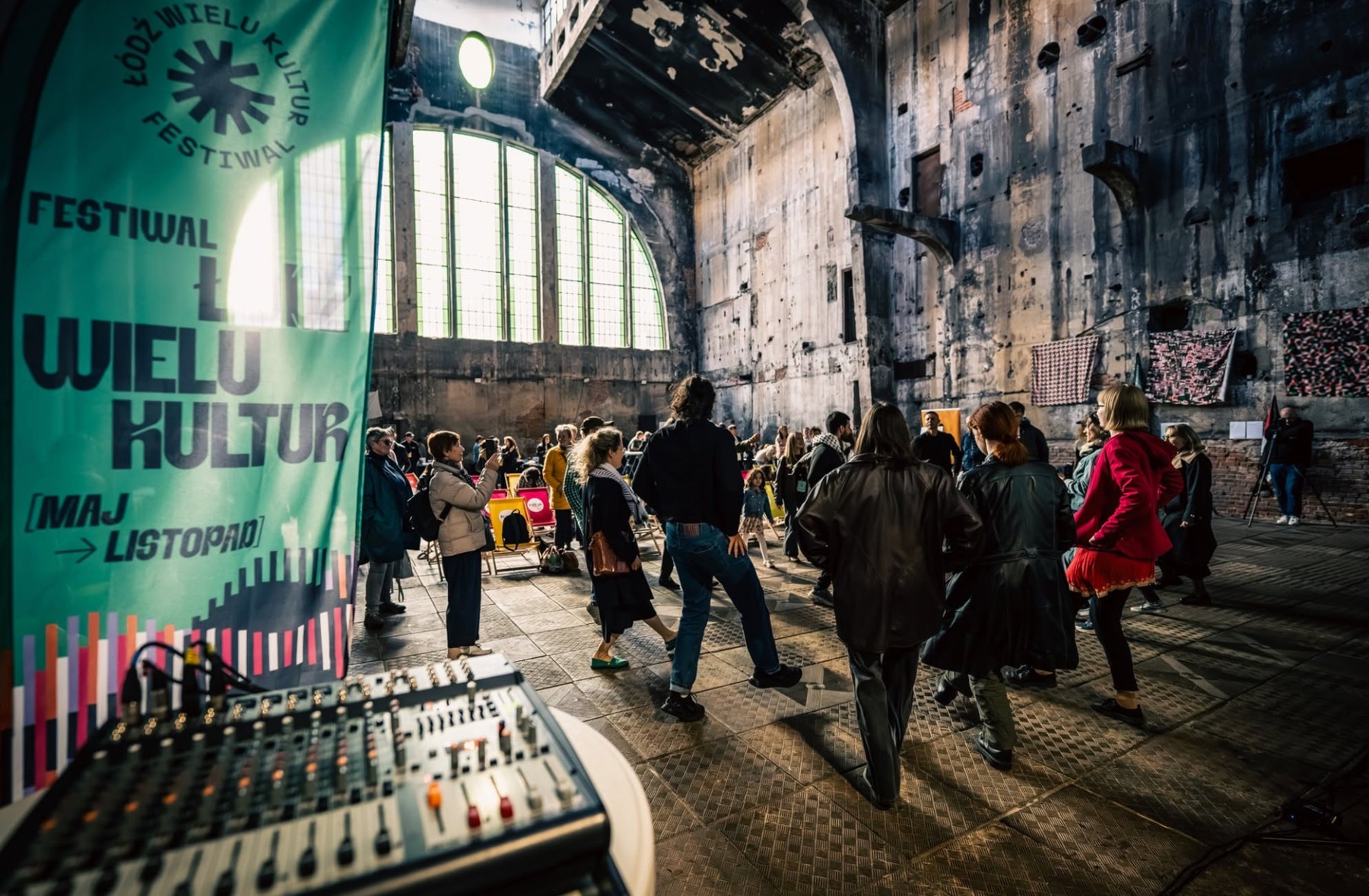
Hummus Day · Fuzja · Festiwal Łódź Wielu Kultur · 2026 · Photo: HaWa Wacław · Central Museum of Textiles
Łódź · Poland
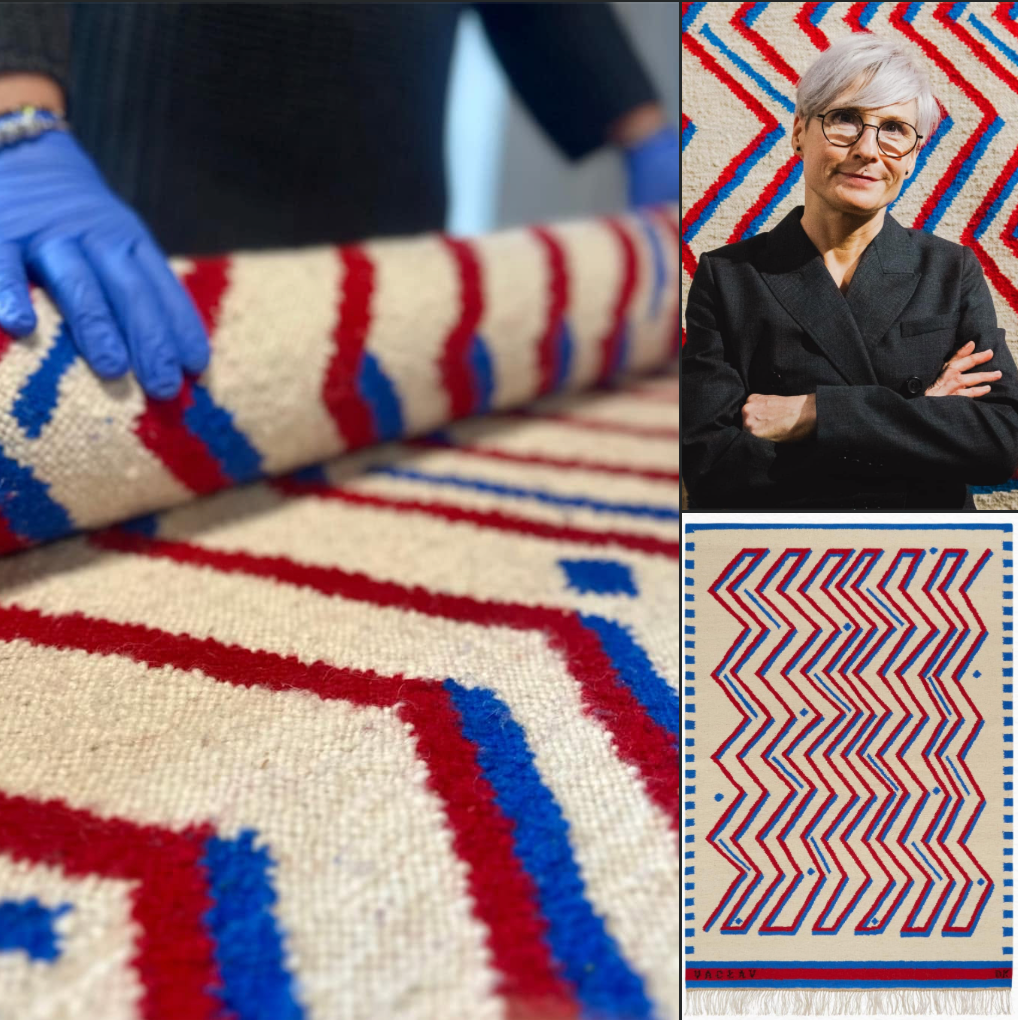
The kilim designed for Splot joins the textile collection of the Central Museum of Textiles in Łódź. Announced by Splot on 8 April 2026.
Kilim zaprojektowany dla Splotu zostaje włączony do kolekcji tkaniny Centralnego Muzeum Włókiennictwa w Łodzi. Informację ogłosił Splot 8 kwietnia 2026 roku.
Wacław · Material from Splot’s post · 08.04.2026 Polski Design — Ukraińska Odbudowa
DESA Unicum · Warszawa
Twisted Tradition in the charity auction supporting the BRDA Foundation’s OKNO project for Ukraine.
Twisted Tradition na aukcji charytatywnej wspierającej projekt OKNO Fundacji BRDA na rzecz Ukrainy.
A textile can be an image. It can also become an architecture of relation.
Tkanina może być obrazem. Może też stać się architekturą relacji.
My practice begins with making: weaving, constructing, cutting, filling, carrying, assembling. Theory grows from close attention to what materials already carry and to the relationships they activate.
I use the term post-textile to describe work that does not treat textile as an autonomous medium. The artwork becomes a temporary knot of material history, collective labour, technology, power, memory and future use.
Moja praktyka zaczyna się od działania: tkania, konstruowania, cięcia, wypełniania, przenoszenia i składania. Teoria wyrasta z uważności wobec tego, co materiał już w sobie niesie, oraz relacji, które uruchamia.
Terminem post-textile opisuję pracę, która nie traktuje tkaniny jako autonomicznego medium. Dzieło staje się tymczasowym węzłem historii materiału, wspólnej pracy, technologii, władzy, pamięci i przyszłego użycia.
Counter-archive as artistic method
Kontrarchiwum jako metoda artystyczna
My practice explores textile not only as an image or object, but also as a way of preserving forms of knowledge that rarely enter institutional archives: touch, repetition, domestic labour, coded pattern, testimony, repair, absence and collective making. Rather than constructing a complete or authoritative record, I am interested in how an artwork can hold partial, multilingual and sometimes conflicting traces while keeping visible the conditions under which they were gathered. In this sense, the textile work can become a counter-archive: a situated material structure through which overlooked experiences remain active in the present.
W swojej praktyce traktuję tkaninę nie tylko jako obraz lub obiekt, lecz także jako sposób zachowywania form wiedzy, które rzadko trafiają do instytucjonalnych archiwów: dotyku, powtórzenia, pracy domowej, zakodowanego wzoru, świadectwa, naprawy, nieobecności i wspólnego działania. Nie interesuje mnie tworzenie kompletnego ani autorytatywnego zapisu, lecz możliwość pomieszczenia w dziele śladów fragmentarycznych, wielojęzycznych, a czasem sprzecznych — wraz z widocznymi warunkami, w jakich zostały zgromadzone. W tym sensie tkanina może stać się kontrarchiwum: usytuowaną materialną strukturą, dzięki której pomijane doświadczenia pozostają aktywne w teraźniejszości.
02 / Research journalDziennik badań
Research as an evolving structure
Badanie jako rozwijająca się struktura
Selected projects open into longer studies: traces of genealogy, archive work, material tests, consultations and working conclusions.
Wybrane projekty rozwijają się w dłuższe studia: ślady genealogii, pracę archiwalną, próby materiałowe, konsultacje i robocze wnioski.
01 Ongoing project study · 2026 Studium rozwijanego projektu · 2026 The Great Bed of Ware 2.0 Genealogy, archive, material research and participatory process. Genealogia, archiwum, badania materiałowe i proces partycypacyjny. OpenOtwórz ↗ 02 Research publication · 2023 · English Textile as a subject of significance and vessel for substance. Perspective Dominika Krogulska-Czekalska · Zeszyty Artystyczne, 2 (44)/2023, pp. 355–367. Read PDF ↗03 / Selected works
Textile moves here between public action, political language, experimental Jacquard and design.
Tkanina przemieszcza się tu między działaniem publicznym, językiem politycznym, eksperymentalnym żakardem i projektowaniem.
Open the selected-work indexZobacz indeks wybranych prac →04 / About
Dominika Krogulska-Czekalska
Dominika Krogulska-Czekalska is a Polish textile artist, designer, researcher and educator based in Łódź. She holds a PhD in Art and leads the Decorative Textile Studio at the Strzemiński Academy of Fine Arts in Łódź.
Her practice spans installation, performance, experimental Jacquard and practice-based research. She investigates textile as an actant: not a passive carrier of representation, but a material capable of reorganising social relations, collective action and the conditions of visibility.
She is a member of the selection jury for BIEN Textile Art Biennial Slovenia 2027.
Jest członkinią jury wybierającego prace na BIEN Textile Art Biennial Slovenia 2027.
Her artistic practice is inseparable from teaching, curatorial work and design. She approaches the studio as a place for critical experimentation, collective learning and testing how textile knowledge can circulate beyond disciplinary boundaries.
Dominika Krogulska-Czekalska jest polską artystką tekstylną, projektantką, badaczką i edukatorką mieszkającą w Łodzi. Jest doktorką sztuki i kieruje Pracownią Tkaniny Dekoracyjnej w Akademii Sztuk Pięknych im. Władysława Strzemińskiego w Łodzi.
Jej praktyka obejmuje instalację, performans, eksperymentalny żakard oraz badania poprzez praktykę. Interesuje ją tkanina jako aktant: nie bierny nośnik reprezentacji, lecz materia zdolna reorganizować relacje społeczne, wspólne działanie i warunki widzialności.
Jej praktyka artystyczna pozostaje nierozerwalna z dydaktyką, działalnością kuratorską i projektowaniem. Traktuje pracownię jako miejsce krytycznego eksperymentu, wspólnego uczenia się i sprawdzania, jak wiedza tekstylna może krążyć poza granicami dyscyplin.